
Screen Time Is Rising: Why Eye Wellness Needs Real Measurement
R&D Stage
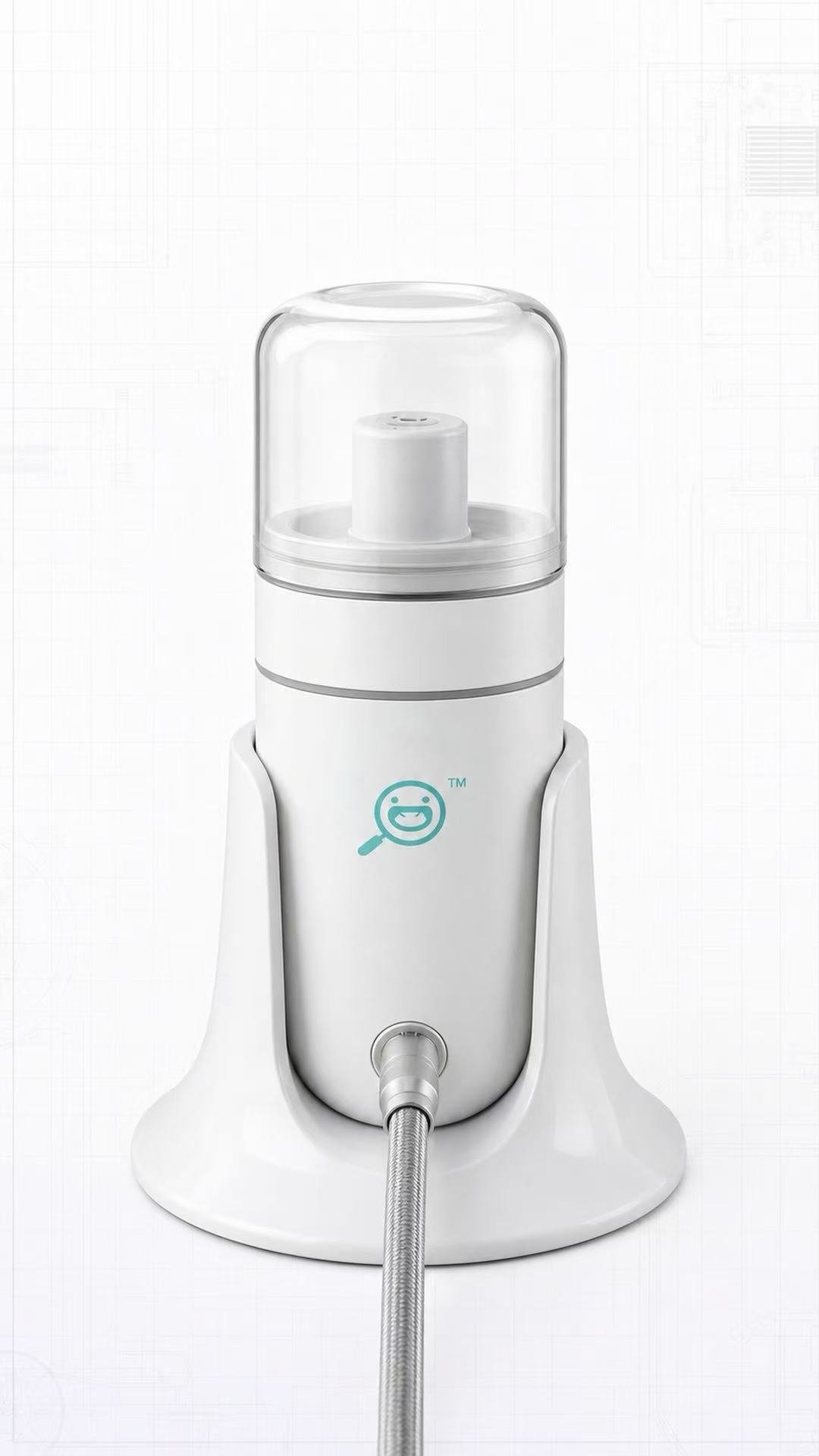
A wellness category our devices don't measure well.
Most of us now spend more of the day looking at a screen than doing almost anything else. Ending that day with eyes that feel tired, dry, or strained is common. It's exactly the kind of everyday problem a good device should help with, and measure.
But most of the devices built for this don't tell you a single number. Not the temperature it reached. Not how much was delivered, or how fast. Not whether today's session matched yesterday's. That's the gap this post is about. Not because any maker is acting in bad faith, but because measurement in this category hasn't caught up to the product.
Why passive relief falls short.
Most eye wellness today is passive: eye drops, a warming compress, or just remembering the 20-20-20 rule. These help, but they share real limits.
- Environment changes the result. Room humidity, temperature, and airflow vary a lot between spaces, and that changes how heat or moisture actually behaves near the eye.
- Fixed delivery, no correction. A warming compress loses heat fast, often within 2 to 3 minutes, and drops below an effective range with no way to fix it mid-session.
- No feedback. A fixed-duration, unmonitored session gives you zero insight into whether what you got matched what was intended.
The shift: closed-loop, measured delivery.
Newer eye-wellness hardware can sense and adjust in real time instead of running a fixed timer at a fixed heat level. A measured system senses, adjusts, and records what actually happened in a session.
- Contextual adaptation. Flow and warming adjust to live conditions and session settings, not one factory preset.
- Consistency tracking. The device records whether output stayed consistent from one session to the next, instead of assuming it did.
- Still simple to use. A soothing, targeted micro-mist for periocular wellness that fits into a daily routine without disrupting it.
Building measurement into eye wellness, at Ceres Vapor Tech.
We treat eye-wellness comfort as an engineering problem: sensors, closed-loop control, and a session record that reflects what actually happened, not just what was intended. TCM-1 is where we're building this first, in a low-risk, non-medical wellness category. The current shipping model is non-AI, built under DMT's ISO 13485 quality system, with reliable, repeatable output. The AI-assisted verification layer described here is still in development and part of the roadmap, not the shipping unit.
We think a wellness device should be able to answer one question honestly: what did it actually deliver? That's the standard we're building toward.
See the platform this is built on
From on-device sensing to the AI models behind it, in development.